
Reclaimed Dining Tables: The Complete UK Buyer & Seller Guide
2026-04-22
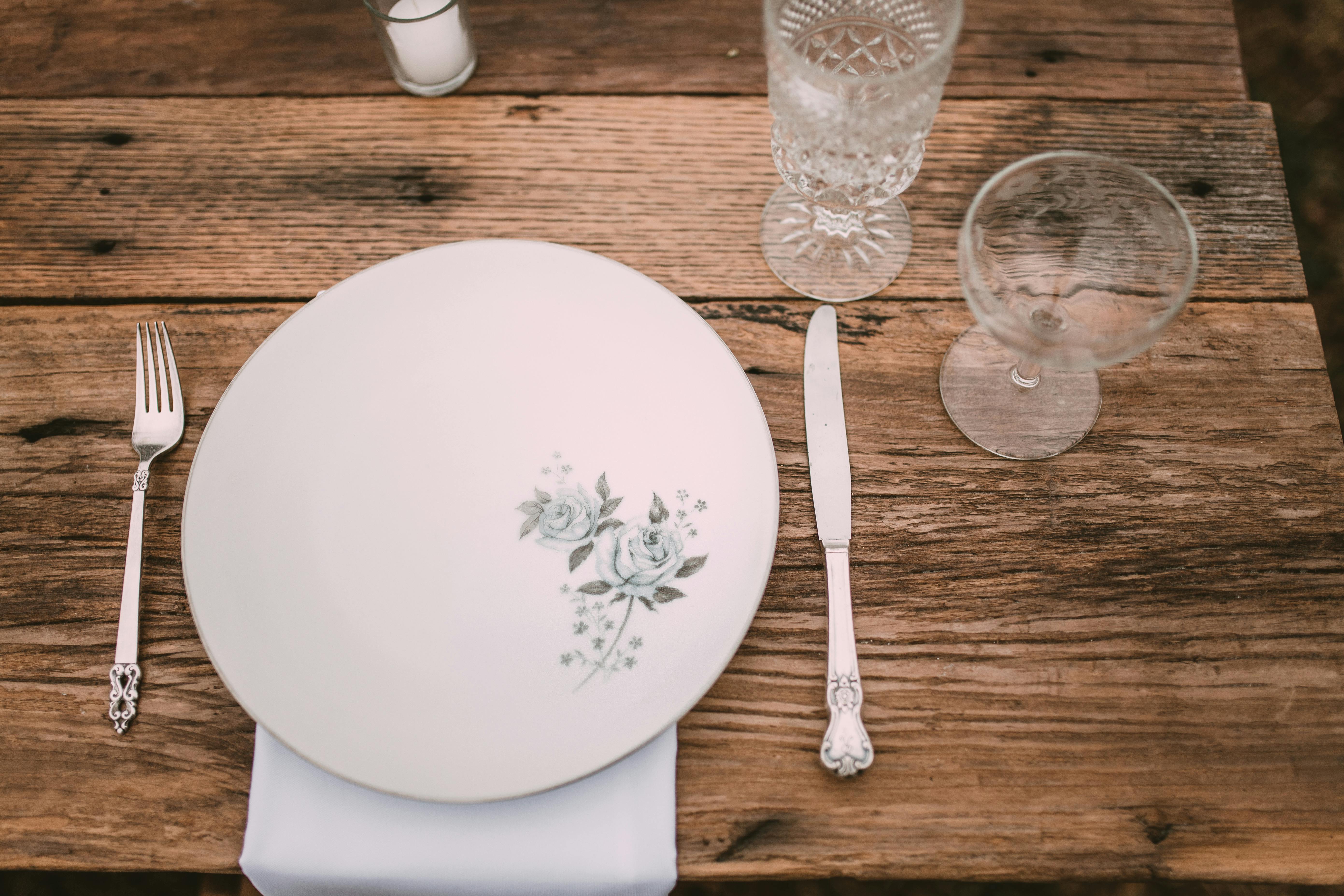
Reclaimed Dining Tables:
The Complete UK Guide
From solid oak farmhouse tables to antique elm refectory pieces — reclaimed dining tables bring warmth, character, and genuine sustainability to the heart of any home.
Did you know: A reclaimed oak dining table crafted from 19th century barn timbers has zero additional deforestation impact and carries a fraction of the embodied carbon of a new equivalent — while being denser, more stable, and far more characterful.
What is a Reclaimed Wood Dining Table?
A reclaimed wood dining table is made from timber that has been salvaged from a previous life — old barn beams, Victorian floorboards, factory timbers, demolished buildings, or decommissioned industrial structures. The wood is cleaned, prepared, and crafted into a new table, retaining the original grain, knots, nail holes, saw marks, and patina that new timber simply cannot replicate.
The result is a table with genuine history. Every mark tells a story. A dining table made from 18th century oak beams has absorbed over two centuries of life before it arrives in your home — and that density, character, and stability cannot be manufactured.
Timber Species — Oak, Elm, Pine and More
The species of timber is the single most important factor in the character, durability, and value of a reclaimed dining table. Each wood has a distinct grain, colour, and working quality.
Styles and Forms
Reclaimed dining tables come in a wide range of styles — understanding the terminology helps you search and describe more accurately.
- Farmhouse / Kitchen TableThick-plank top, turned or square legs. The classic British dining table form. Usually pine or oak. Seats 6–10. Extremely popular and consistently in demand.
- Refectory TableLong, narrow, and heavy. Originally from monasteries and schools. Trestle or plank base. Reclaimed versions in oak or elm are highly desirable for large dining rooms and period properties.
- Pedestal TableSingle or double pedestal base. Often antique dining tables rather than new-made reclaimed pieces. Extends with leaves. Victorian and Edwardian examples in mahogany are classic.
- Industrial / Workshop TableMetal legs — hairpin, box section, or cast iron — combined with reclaimed timber top. Contemporary aesthetic. Very popular for kitchen diners and open-plan spaces.
- Trestle TableRemovable trestle legs with plank top. Medieval origins, still highly functional. Easy to store and move. Good reclaimed examples in oak or elm are sought after for events and rural interiors.
- Bespoke CommissionedMany reclaimed furniture makers will build a dining table to your specification from chosen timbers. The Reclaimed Company Marketplace connects buyers with makers offering bespoke commissions.
Why Choose a Reclaimed Dining Table?
A reclaimed dining table is not simply a sustainable choice — it is often the better choice by every measurable standard.
- Superior Timber QualityOld-growth timber grown over 100–300 years is denser, harder, and more dimensionally stable than fast-grown plantation wood. A reclaimed oak table will outlast a modern equivalent by generations.
- Irreplaceable CharacterThe knots, grain variation, saw marks, and patina of genuinely old timber cannot be replicated. No two reclaimed dining tables are identical — each piece is unique.
- Genuine SustainabilityA reclaimed dining table uses no new timber, requires no deforestation, and carries a fraction of the manufacturing carbon of a new piece. It is arguably the most sustainable furniture purchase you can make.
- Long-Term ValueQuality reclaimed dining tables hold and grow in value — unlike flat-pack furniture which depreciates immediately. A well-chosen piece becomes a family heirloom.
Where to Buy a Reclaimed Dining Table in the UK
Finding the right reclaimed dining table is a matter of knowing where to look. The UK has a rich network of reclamation yards, antique dealers, and specialist furniture makers — and The Reclaimed Company Marketplace brings them all together in one place.
- The Reclaimed Company Marketplace — search by location, species, size, and price across hundreds of reclamation yards and dealers nationwide
- Local reclamation yards — often the best source for genuine, undiscovered pieces at fair prices. Use our yard finder to locate your nearest
- Antique dealers — specialist dealers hold the highest quality pieces. Our dealer directory lists vetted antique dealers across the UK
- Bespoke furniture makers — if you have specific size or timber requirements, a reclaimed furniture maker can build to order from chosen salvaged timbers
- House clearances and auctions — original dining tables from period properties regularly appear at auction. Our demolition alerts service notifies you of clearances in your area
How to Care for a Reclaimed Wood Dining Table
A reclaimed dining table is a robust, long-lived piece of furniture that improves with age when properly maintained. The care requirements are simple and the time investment is minimal.
How to Sell a Reclaimed Dining Table
Reclaimed dining tables sell well when listed accurately and presented well. Buyers are knowledgeable — vague descriptions and poor photographs will be passed over in favour of listings that give them confidence.
- Title: timber species, style, seats, timber origin, location
- Dimensions: length, width, height — always in centimetres
- Seats: how many people comfortably, how many at a push
- Timber: species, approximate age or provenance if known, finish applied
- Condition: be honest about marks, repairs, and any structural issues
- Photos: top surface, legs and base, detail of grain and character marks, full table from both ends
- Delivery: collection only or courier available — pallet delivery makes nationwide sales viable
- ✓Timber species identified and confirmed
- ✓Provenance noted — where did the timber come from?
- ✓Dimensions measured accurately in centimetres
- ✓Seating capacity confirmed — comfortable and maximum
- ✓Surface finish noted — oil, wax, lacquer, or bare
- ✓Condition assessed and described honestly
- ✓Photos taken — top, base, detail, and both ends
- ✓Delivery options confirmed — collection, pallet courier, or both
Pricing Guidance
Reclaimed dining table prices vary significantly by timber species, size, age of timber, maker, and condition. The table below gives realistic market ranges for the UK — exceptional provenance, rare species, or named makers can command figures well above these ranges.
| Table type | Species | Seats | Price guide |
|---|---|---|---|
| Farmhouse / kitchen table | Reclaimed pine | 4–6 | £150–450 |
| Farmhouse / kitchen table | Reclaimed pine | 6–8 | £300–900 |
| Farmhouse / kitchen table | Reclaimed oak | 6–8 | £600–1,800 |
| Farmhouse / kitchen table | Reclaimed oak | 8–10 | £900–3,500 |
| Refectory table | Reclaimed oak / elm | 10–14 | £1,200–5,000+ |
| Industrial / workshop style | Scaffold / mixed | 4–8 | £200–900 |
| Antique pedestal table | Mahogany / walnut | 6–12 | £400–3,000+ |
| Reclaimed elm — any style | English elm | Any | Add 30–50% premium over oak equivalent |
| Bespoke commissioned | Any reclaimed species | To spec | £800–6,000+ depending on maker and spec |
Frequently Asked Questions
A reclaimed wood dining table is made from timber salvaged from a previous use — such as old barn beams, Victorian floorboards, factory timbers, or demolished buildings. The wood retains its original grain, knots, nail holes, and patina, giving it a depth of character that new timber cannot replicate. Each table is unique.
Oil your reclaimed dining table with a good quality furniture oil 2–4 times per year. Wipe spills immediately — standing water is the main enemy of reclaimed wood. Use coasters and heat mats, avoid direct sunlight and radiators, and embrace minor marks as part of the table's story. Most scratches can be sanded back and re-oiled.
A large reclaimed dining table seating 8–10 typically costs between £900 and £3,500 in the UK, depending on the timber species, maker, and condition. Reclaimed elm tables and bespoke commissions from specialist makers can reach £5,000 or more. Through The Reclaimed Company Marketplace you can find genuine reclaimed dining tables at a wide range of price points, often significantly below retail.
The Reclaimed Company Marketplace connects buyers directly with reclamation yards, antique dealers, and private sellers across the UK. Search by location, species, size, and price to find reclaimed dining tables near you or available for nationwide delivery. Our dealer directory also lists specialist antique and reclaimed furniture dealers who hold curated stock.
Every reclaimed dining table is an eco-friendly choice. Using salvaged timber reduces demand for new wood, eliminates manufacturing carbon, and keeps existing materials in use. A reclaimed oak dining table from a 19th century barn has zero additional deforestation impact and carries a fraction of the embodied carbon of a new equivalent — making it one of the most genuinely sustainable furniture choices available.