
Reclaimed Wood For Construction & Interiors
2026-04-17
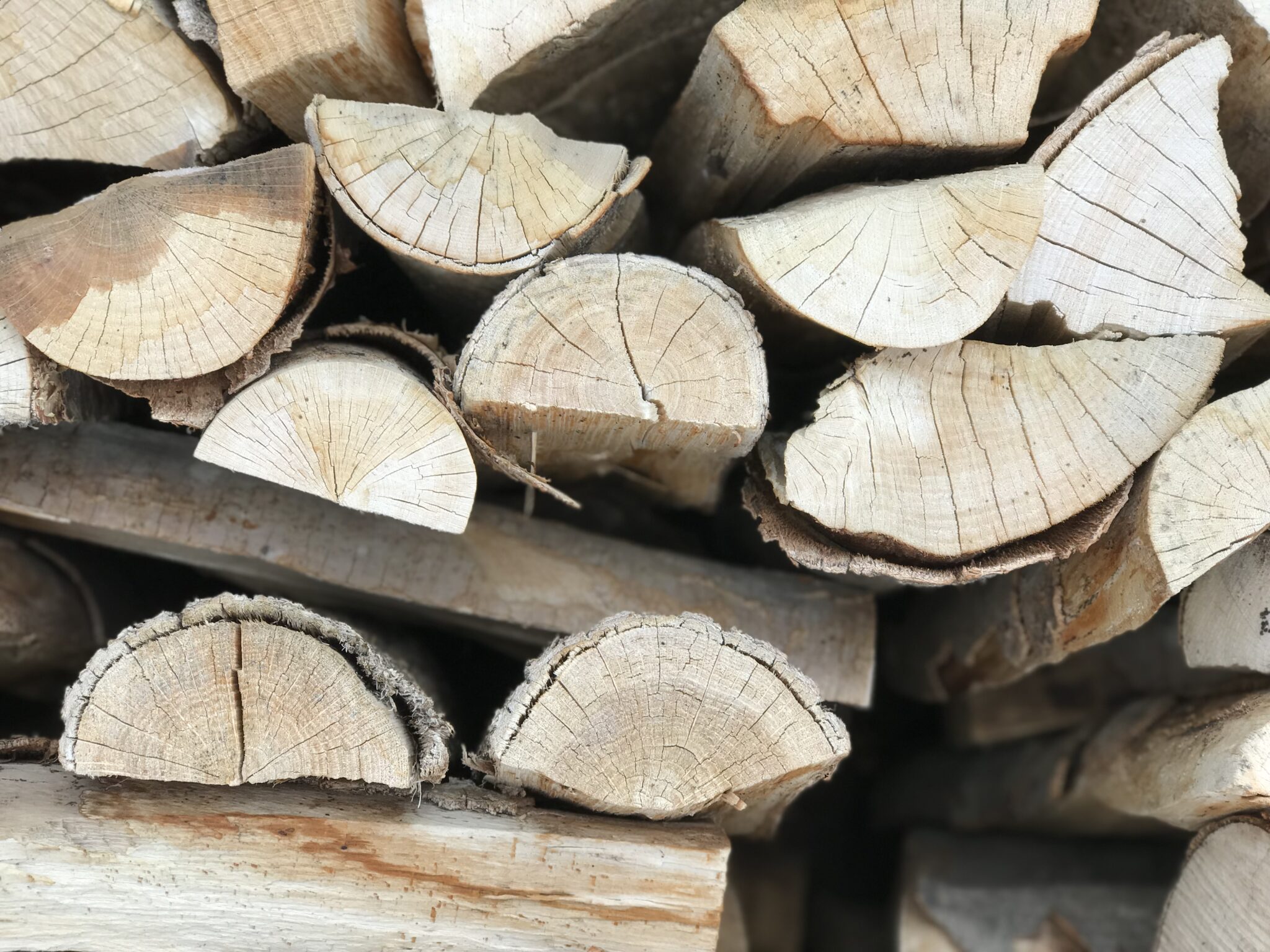
Reclaimed Wood for Construction & Interiors
Salvaged timber adds character, reduces waste, and often outperforms new stock. Here is how to source, prepare, list, and sell reclaimed wood on The Reclaimed Company Marketplace.
Did you know: Old-growth reclaimed timber is typically denser, stronger, and more dimensionally stable than modern equivalents — making it a premium choice for structural and joinery projects alike.
Types of Reclaimed Timber
Reclaimed timber covers a wide spectrum — from heavy structural oak beams to delicate Victorian pine floorboards. Understanding the categories helps you price accurately and attract the right buyers.
- Beams & JoistsIdeal for structural reuse, cut-down projects, and feature installations. Often sourced from barns, mills, and industrial buildings.
- FloorboardsConsistently popular for restoration and interior design. Wide-plank boards from older properties command premium prices.
- Cladding & PanellingRustic character for walls, ceilings, and bespoke furniture. Weathered finishes are particularly sought after.
- Joinery TimberSalvaged hardwoods including oak, ash, and mahogany. Used by craftspeople, furniture makers, and joiners.
Why Buyers Love Reclaimed Wood
Demand for salvaged timber has grown significantly as buyers prioritise character, quality, and sustainability over uniformity.
- Character & PatinaNatural wear marks, nail holes, and grain variation give reclaimed timber a depth that new wood cannot replicate.
- Superior StrengthOld-growth timber is typically denser and more stable than fast-grown modern equivalents.
- Genuine SustainabilityReusing existing timber reduces deforestation, eliminates processing energy, and cuts embodied carbon significantly.
- Cost EffectivenessQuality reclaimed hardwood is often cheaper than equivalent new stock, particularly for oak and mahogany.
Preparing Timber for Sale
Well-prepared timber sells faster and at higher prices. Follow these steps before listing:
- Remove all nails, screws, bolts, and metal fixings thoroughly
- Stack and band timber securely to prevent movement in transit
- Measure and record accurate lengths, widths, and thicknesses for every piece
- Note any treated, painted, creosoted, or unusual finishes clearly
- Trim damaged or split ends where possible to improve saleability
- Photograph grain, ends, and any notable defects before listing
Listing Timber on the Marketplace
A well-written listing ranks higher in search results and converts more buyers. Your title should include species, form, quantity, key dimension, and location.
- Title: species, form, quantity, dimension, location
- Description: provenance, dimensions, condition, preparation carried out
- Photos: show ends, grain detail, surface defects, and full stack
- Keywords: include species name, reclaimed, salvaged, and intended use
Pricing Guidance
Reclaimed timber pricing varies by species, condition, dimensions, and preparation. Use the table below as a starting point.
| Timber type | Species | Price guide | Notes |
|---|---|---|---|
| Structural beams | Oak, Elm | £25–50 / linear m | Size and condition dependent |
| Floorboards | Pine, Oak | £20–40 / m² | Width and condition dependent |
| Joinery hardwood | Oak, Mahogany, Ash | Premium pricing | High demand, price per m³ |
| Structural softwood | Pine, Spruce | Lower / faster turnover | Volume lots move well |
| Cladding & panelling | Mixed | £15–35 / m² | Weathered finish adds value |
Timber Seller Checklist
Before you publish your listing, work through this checklist to ensure your timber is presented accurately and safely.
- ✓All nails, screws, and fixings removed
- ✓Accurate dimensions recorded per piece
- ✓Grade and condition assessed honestly
- ✓Clear photos uploaded — ends, grain, and full stack
- ✓Provenance noted where known
- ✓Any treatment, paint, or creosote declared
- ✓Price per unit and lot total confirmed
- ✓Collection or delivery options stated clearly
Frequently Asked Questions
Not always. Most buyers expect as-salvaged timber. Kiln drying can add value for joinery and furniture projects where movement and moisture content matter — but for structural reuse or landscaping, it is rarely essential.
Stack timber off the ground on bearers, band it securely in manageable lots, and store under cover to prevent warping, splitting, or water damage. Good airflow between layers helps maintain condition. Avoid direct contact with concrete floors.
Yes — but you must state it clearly in your listing. Many buyers are happy to strip or sand reclaimed timber for reuse. Painted stock typically attracts a lower price unless the finish is historic or decorative. Creosoted timber should always be declared.
Ready to sell your reclaimed timber?
Reclaimed wood is always in demand. From structural projects to bespoke furniture, your salvaged timber can find a new life through The Reclaimed Company Marketplace.