
Salvaged Lighting: How to Source, Sell and Style Reclaimed Light Fittings
2026-04-22
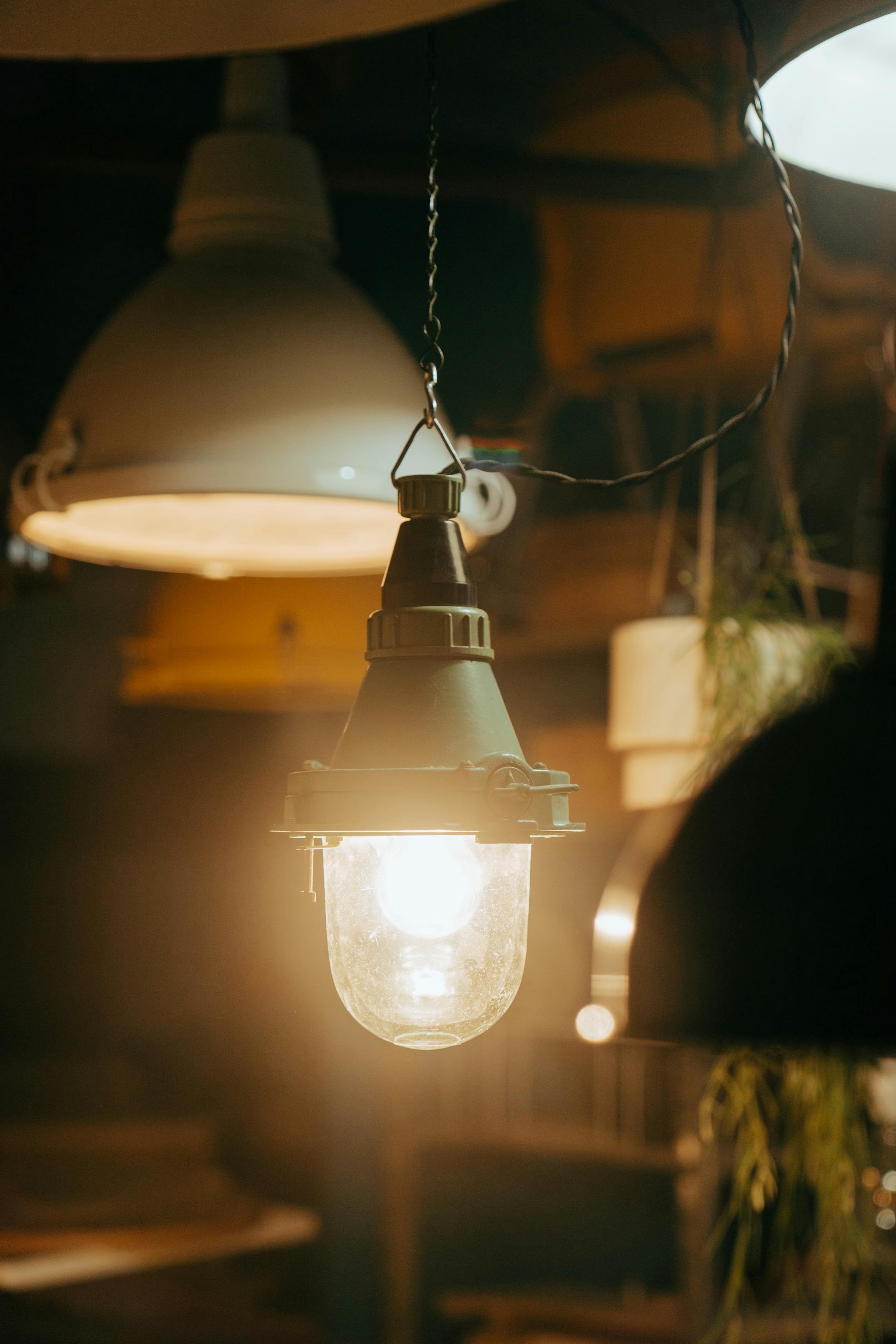
Salvaged Lighting for Interiors & Restoration
From Victorian pendants to factory-floor industrials, reclaimed light fittings bring warmth, character and history to any space — and they sell faster than almost any other salvaged item.
Did you know: A single original Victorian oil lamp converted to electricity can sell for ten times the price of a modern reproduction equivalent — and buyers know the difference.
Types of Salvaged Lighting
Salvaged lighting spans a vast range of periods, styles, and materials. Understanding what you have — and what buyers are looking for — is the key to pricing and listing successfully.
- Pendant & Ceiling LightsThe most commonly salvaged type. Ranges from simple Victorian rise-and-fall pendants to ornate Edwardian multi-arm ceiling roses. Always photograph the ceiling rose and canopy separately.
- ChandeliersHigh value when intact. Crystal, brass, and iron examples from country house clearances are especially sought after. Condition of drops and arms is critical to price.
- Wall Lights & SconcesPeriod pairs in matching condition command premium prices. Popular for hallways, restaurants, and period property restoration.
- Industrial & Factory LightsEnamel shades, cage pendants, gooseneck wall brackets. Enormous demand driven by the industrial interior trend. Often found in factory and school clearances.
- Table & Standard LampsConverted oil lamps, arts and crafts bases, art nouveau standards. Collectible in their own right — buyers often search by maker or style.
- Exterior & Garden LightsCast iron lanterns, gas lamp conversions, carriage lights. Durable, weathered, and increasingly difficult to source in good condition.
- Street & Architectural LightsSalvaged from councils and demolitions. Rare and highly desirable — original cast iron columns with original fittings can fetch significant sums.
- Bare Bulbs & ComponentsCeiling roses, lamp holders, flex, switch plates, and period bulbs. Sell well individually or bundled — restorers always need components.
Styles and Eras — What Buyers Want
Knowing the period and style of a fitting dramatically improves your listing's search visibility and buyer confidence. Buyers of salvaged lighting are often very specific about what they want.
Why Buyers Choose Reclaimed Lighting
Salvaged lighting consistently outperforms other reclaimed categories for speed of sale. Understanding why buyers seek it out helps you present your stock more effectively.
- Irreplaceable QualityPre-war brass, cast iron, and hand-blown glass are simply not made the same way today. Buyers know that original patina and hand-finishing cannot be replicated.
- Period AuthenticityArchitects and restorers need fittings that are genuinely of the period — not reproductions. An original Victorian pendant in a Victorian terrace is worth far more than any replica.
- SustainabilityReclaimed fittings carry zero manufacturing carbon. Interior designers increasingly specify reclaimed as part of sustainable project briefs.
- Investment ValueRare and maker-attributed pieces — particularly Art Deco and Arts & Crafts — appreciate in value. Buyers see original lighting as both functional and collectible.
Preparing Salvaged Lighting for Sale
Presentation is everything with lighting. A well-photographed, accurately described fitting sells in hours. The same fitting photographed poorly with no wiring information can sit unsold for months.
- Clean the fitting gently — remove dust, cobwebs, and loose dirt with a dry cloth and soft brush
- Do not over-clean — original patina on brass, copper, and iron is a selling point. Aggressive polishing destroys value
- Check and describe the wiring condition honestly — original fabric flex, rewired, or needs rewiring
- Count and describe all components — shade, bulb holder, ceiling rose, canopy, flex, chain, and switch
- Note any cracks, chips, missing drops, or damaged arms clearly
- Check for maker's marks or manufacturer labels on the fitting, fitting plate, or original shade
- Measure accurately — overall height (including drop), shade diameter, and fixing centre
- Photograph hanging if at all possible — buyers find it very difficult to judge a pendant from flat shots alone
Listing Salvaged Lighting on the Marketplace
Lighting buyers search very specifically. Your title and description need to include the period, material, style, condition, and wiring status — buyers filter heavily and a vague listing will be skipped.
- Title: period, style, material, wiring status, key feature
- Description: dimensions, wiring detail, components included, condition notes, any maker attribution
- Photos: close-up of shade, fitting detail, maker's marks, wiring, ceiling rose, and ideally a hanging shot
- Keywords: period name, material, style name, wiring status, and room type (kitchen, hallway, etc.)
Pricing Guidance
Salvaged lighting pricing varies enormously by period, rarity, condition, and wiring status. Use the table below as a baseline — exceptional pieces, maker-attributed items, and matched sets can command multiples of these figures.
| Fitting type | Period / Style | Price guide | Notes |
|---|---|---|---|
| Rise & fall pendant | Victorian / Edwardian | £80–250 | Higher if complete and rewired |
| Industrial enamel pendant | Factory / School | £40–180 | Colour and size dependent; pairs command premium |
| Chandelier — brass / iron | Victorian / Edwardian | £150–1,200+ | Condition and completeness critical |
| Wall lights — pair | Any period | £60–400 pair | Matching condition essential for top price |
| Art Deco ceiling light | 1920s–1940s | £120–600 | Original glass and intact chrome command highest prices |
| Converted oil lamp | Victorian | £80–350 | Quality of conversion and base material dependent |
| Cast iron exterior lantern | Victorian / Edwardian | £60–300 | Pairs and complete sets worth significantly more |
| Mid-century designer | 1950s–1970s | £80–2,000+ | Maker attribution transforms value — research thoroughly |
| Components / parts | Various | £5–40 per item | Ceiling roses, lamp holders, flex — always worth listing |
Salvaged Lighting Seller Checklist
Work through this checklist before publishing your listing to ensure accurate, complete, and trustworthy presentation.
- ✓Period and style identified and confirmed
- ✓Wiring condition assessed and described honestly
- ✓All components listed — shade, rose, canopy, chain, flex, switch
- ✓Dimensions measured — drop, shade diameter, fixing centre
- ✓Maker's marks and labels checked and photographed
- ✓Condition noted including any damage, missing drops, or repairs
- ✓Patina assessed — do not over-clean
- ✓Photos taken — detail, shade, fitting, marks, and ideally hanging shot
- ✓Title includes period, material, style, and wiring status
- ✓Pairs listed together, not individually
Frequently Asked Questions
Not necessarily. Many buyers purchase salvaged lighting as-found and rewire it themselves or through an electrician. However, you must state the wiring condition clearly and honestly in your listing. Rewired stock with a PAT test certificate commands significantly higher prices and sells faster — for high-value pieces it is almost always worth the investment.
Use a mild solution of warm water and washing-up liquid for general cleaning. For brass and copper, a paste of flour, salt, and white vinegar works well on stubborn grime without stripping the surface. Avoid harsh chemical cleaners and commercial metal polishes — many buyers prize the aged patina and actively prefer it untouched. When in doubt, a light dust and clean is always better than an aggressive polish.
Yes — state clearly what is and is not included. Shades, bulbs, ceiling roses, canopies, and drops are often sold separately. Incomplete fittings can still be very desirable for parts or restoration projects, particularly rare or period pieces. A brass Victorian pendant without its shade is worth far more listed honestly than one where the missing shade is glossed over and the buyer is disappointed on arrival.
Ready to list your salvaged lighting?
Original light fittings sell faster than almost any other reclaimed category. List yours today and connect with buyers who know exactly what they are looking for.